
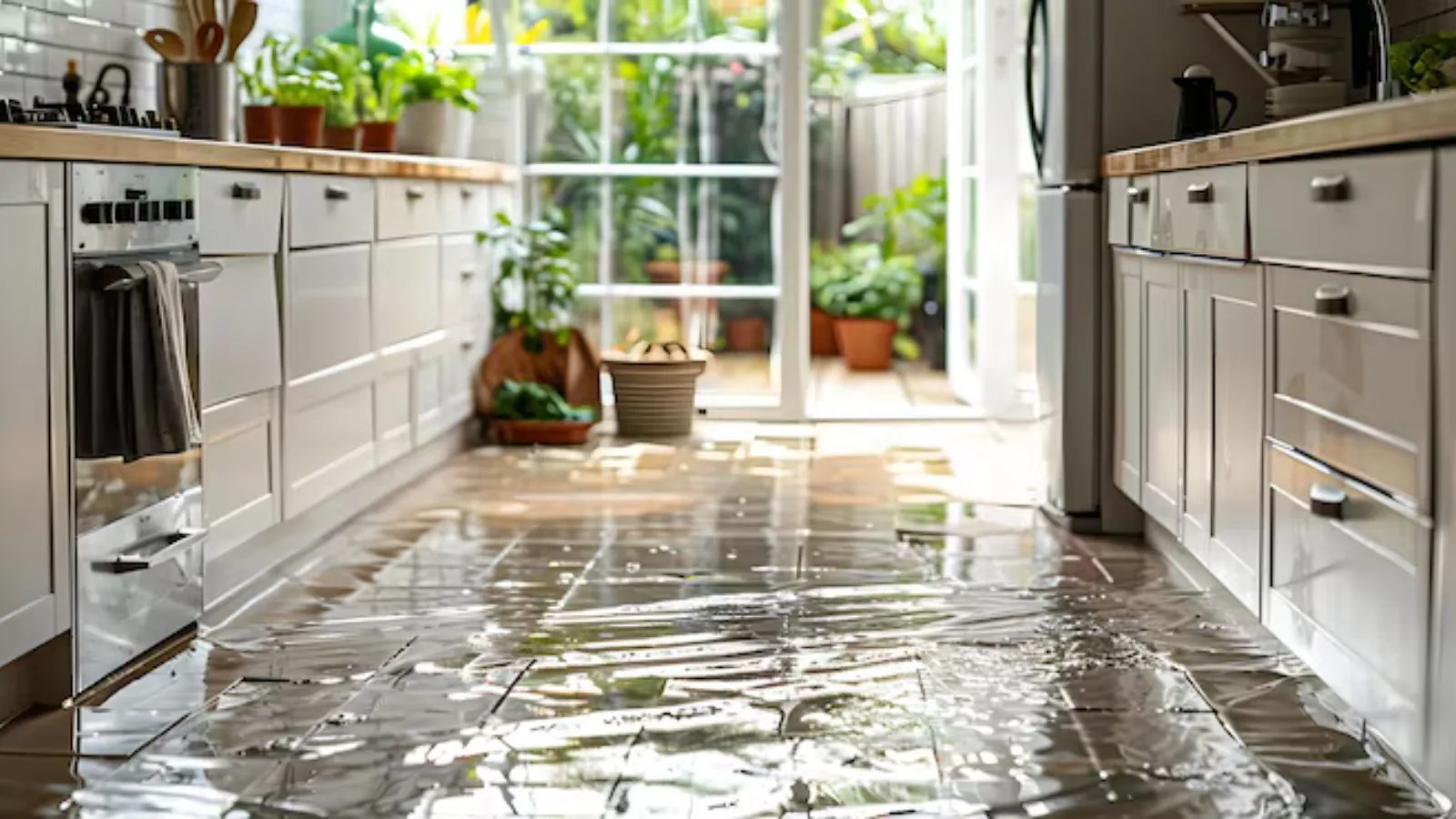
Vacant houses are where small leaks become large losses. Nobody hears the drip, and nobody shuts the valve. A burst pipe in a house that is empty for a week can pour water through several floors. Policies often have conditions about vacancy and heat, so preparation matters for coverage too.
This checklist works for a long weekend, a winter trip or a seasonal absence. Adjust it to your house.
Before you leave
- Close the main water shut-off if you will be gone more than a few days
- Turn off the washing machine supply valves and the dishwasher
- Set the water heater to vacation mode or turn it off
- Check hoses on washers, ice makers and toilets for bulges or cracks
- Test the sump pump by lifting the float or pouring in a bucket of water
- Clean gutters and downspouts so rain moves away from the foundation
In cold months
Keep the heat on. Many insurers expect a minimum temperature, often around 55 degrees, and the specific number varies by policy. Open cabinet doors on exterior walls so warm air reaches the pipes. Disconnect and drain outdoor hoses and shut the indoor valve to outdoor spigots. If you will be gone a long time, you may drain the system, and a plumber can explain how. See frozen pipe water damage for what happens when pipes freeze.
Smart devices and who checks in
A leak sensor placed by the water heater, under sinks and in the basement can send an alert to your phone. An automatic shut-off valve can close the main when it detects a leak. Both are worth considering for a long absence. Also, ask a neighbor or friend to check the house on a schedule, and give them the shut-off location.
What to ask your insurer
- What heat level does the policy expect when the house is empty?
- How many days of vacancy triggers an exclusion?
- Is water damage from a frozen pipe covered while I am away?
- Do I get a price reduction for leak sensors or automatic shut-off valves?
Where leaks start most often
| Location | Why it fails | Prevention |
|---|---|---|
| Washing machine hoses | Rubber ages and bursts under pressure | Close the valves, replace old hoses |
| Water heater | Tanks corrode and fittings loosen | Check the pan and the age, shut off the supply |
| Exterior wall pipes | Cold air reaches uninsulated lines | Keep heat on, insulate, open cabinets |
| Sump pump | Power loss or a stuck float | Test it, consider a battery backup |
| Toilet supply lines | Braided lines corrode at the fittings | Inspect and replace old ones |
Questions about preventing damage while away in your own house? Talk it through with the dispatcher. ☎ (833) 521-1033
If you find a loss when you get back
Do not walk through standing water if power is on. Shut off the main if you can reach it safely, turn off the electricity to the area and call. Photograph everything before you move anything. A water loss that ran for days may involve contaminated materials and mold, so ask for moisture readings and a plan for removal and drying. Our water extraction page covers the first steps.
Appliances to check before you go
- Replace rubber washing machine hoses with braided stainless steel ones, and replace them every few years.
- Look at the refrigerator ice maker line for kinks or drips.
- Check the dishwasher supply and drain connections.
- Look at the water heater tank, pan and relief valve discharge pipe.
- Make sure sump pump power cords are plugged in and the outlet works.
A short handoff for the person checking in
Write down where the main shut-off is, where the electrical panel is and the phone number of your plumber. Tell them what to do if they find water, such as closing the main, calling you and taking photos. Tell your insurer who has a key if your policy asks. A clear note makes a first response possible even when you are far away.
Seasonal checks that matter at home too
Spring and fall are good times to clean gutters, check the sump pump and look at the grade around the foundation. Before winter, insulate exposed pipes, seal gaps where cold air gets into the walls and know where your main shut-off is. These steps cost little, and each one removes a common cause of a loss. A short list on the fridge helps the whole household know what to do if something fails.
Why a quick call to the neighbor is not enough
A neighbor can spot a wet floor, but they cannot tell if the water heater is leaking inside a closed cabinet. Ask them to open key doors, check under sinks and look at the basement floor, and to text you photos. A routine, such as every second day, is better than a vague promise to look in.
If water is already in the house, do not wait on preventing damage while away. Call now. ☎ (833) 521-1033
A note on standards
If a loss happens while you are away, drying follows the ANSI/IICRC S500 standard once the water is stopped.
Away from Pequannock
Many Pequannock residents travel in winter, and a cold snap while you are gone is the biggest risk. If you are in Lincoln Park or Pompton Lakes and near the rivers, check the sump pump before long rain too. A neighbor with a key and your plumber phone number can limit damage if something fails.
Questions answered
Should I turn off the water heater when I travel?
For a long absence, yes, or set it to vacation mode. Check the manual for your model.
Do leak sensors really help?
They can alert you early, but they need a person to act. A shut-off valve that closes automatically adds protection.
Is the main shut-off enough?
It stops supply to the house. It does not stop rain or sump pump failures, so those need their own checks.
What temperature should I leave my Pequannock house at in winter?
Ask your insurer, since policies set minimums. Many homeowners keep it around 55 degrees or higher, with cabinet doors open on exterior walls.