
Structural drying is the part of water damage restoration that most homeowners never see. After extraction, the house still holds water in drywall, framing, subfloors and concrete. Structural drying and dehumidification in Pequannock uses moisture mapping, air movers and LGR dehumidifiers to lower that moisture to a measured dry standard, and it is also the process people mean by water mitigation.
You are likely to hear terms such as moisture mapping, drying goals and psychrometrics. They mean the same thing in practice: measure what is wet, control the air so water leaves the materials, and check again until the readings match a dry reference.
Why does the house still feel damp days after the leak?
If the carpet feels dry but the room smells musty, the walls feel cool, or baseboards stay dark, water is still inside. Surface towels and fans pull moisture from the top layer only. Drying the framing and subfloor takes controlled airflow and dehumidification, and that is what this page covers.
Water mitigation and structural drying
Water mitigation is the work done to stop damage from growing. That includes extraction, removing materials that cannot be dried, and setting up drying equipment. It is the same service that the homepage describes in the larger view, and structural drying is the equipment-driven stage of it.
What to do before help arrives
- Keep doors and windows closed while equipment runs.
- Do not unplug or move air movers and dehumidifiers, since placement is planned.
- Keep children and pets away from cords and hot exhaust.
What the equipment does
Air movers
Move air across wet surfaces to evaporate surface moisture. Axial and centrifugal units are placed along walls and floors.
LGR dehumidifiers
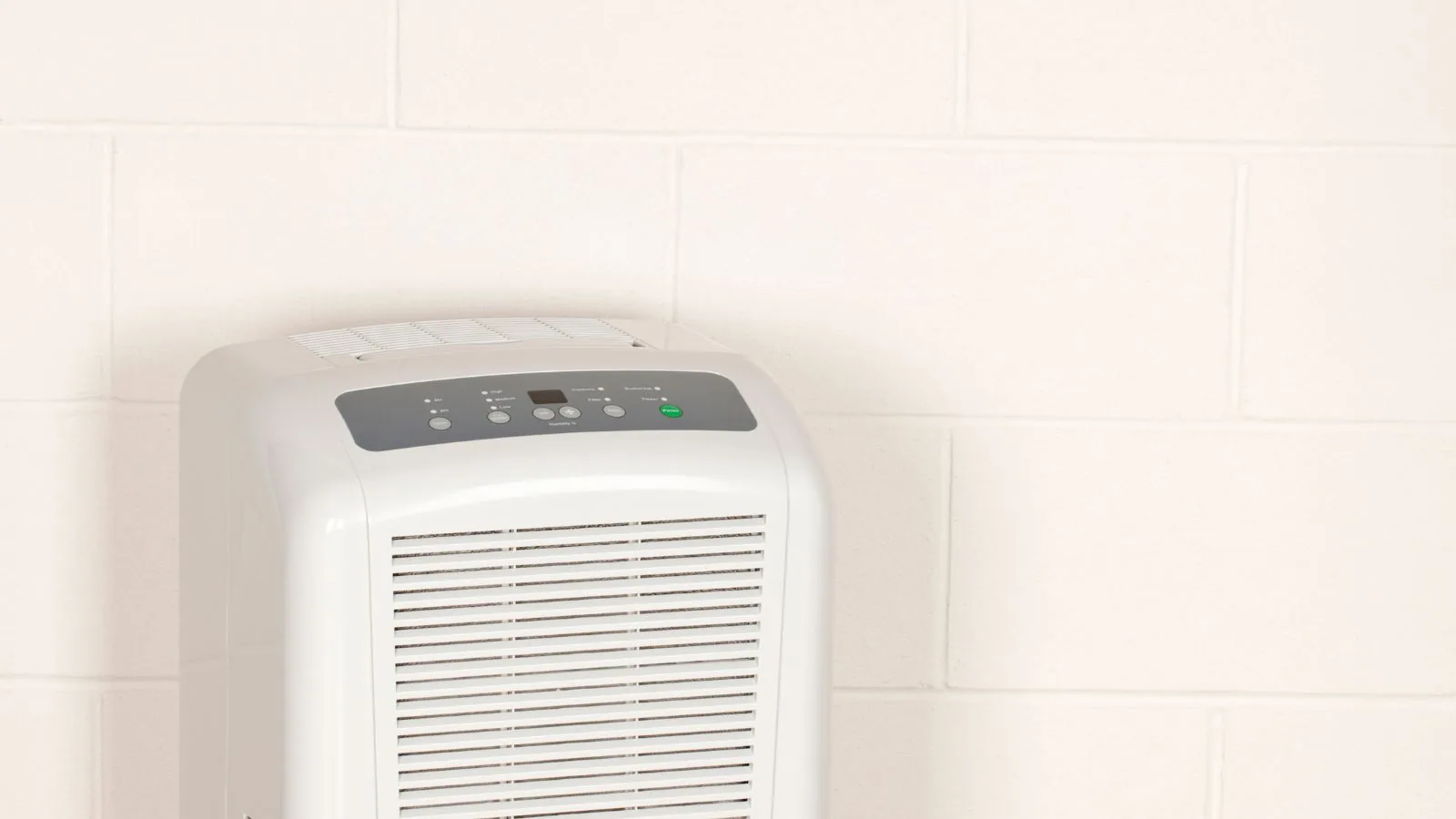
Low grain refrigerant units pull water vapor out of the air so evaporated moisture does not go back into the materials.
Moisture meters
Pin and pinless meters read moisture in drywall, wood and concrete. Readings are logged each visit.
Thermal cameras
Show temperature patterns that can point to wet areas behind surfaces. They guide where to measure.
How long drying takes
Drying is often a matter of days, commonly three to five, though thick plaster, hardwood subfloors and concrete can take longer. The crew checks readings each day and moves or removes equipment as areas reach the dry standard. EPA mold guidance advises drying water-damaged areas in the first 24 to 48 hours, which is why equipment is set up quickly.
Equipment is used on the job, not rented out
Callers sometimes ask to rent air movers or dehumidifiers. We use equipment on the job as part of a drying plan, with moisture checks to verify results, and we do not rent it out. Without readings, it is hard to know when the structure is actually dry.
What drives the cost
| Factor | Why it matters |
|---|---|
| Wet area and materials | More wet square footage needs more equipment |
| Equipment days | Daily equipment use and monitoring visits add up |
| Density of materials | Plaster and hardwood dry slower than drywall |
| Access | Closed cavities may need small openings to dry |
| Rebuild scope | Repairs begin only after readings reach the dry standard |
Call (833) 521-1033. Scope and price are explained before work starts.
What you will see during drying
Expect air movers along the walls and floors and one or more dehumidifiers running. The house will feel warm and the units are loud. Technicians return to take readings and move equipment, and each visit is logged. Keep doors and windows closed unless told otherwise, since open doors let in humid air.
Insurance notes
Moisture logs, equipment placement records and photos help document that drying was done. Keep copies for your insurer and ask what it requires. The extraction that comes before drying is covered on water extraction, and rooms with wet drywall continue to wall and drywall water damage repair.
Still damp after the leak
Tell the dispatcher what was wet, when the leak happened and whether any drying has started. Scope and price are explained before work starts.
Questions about structural drying in Pequannock
How do you know a wall is dry?
By moisture meter readings compared with an unaffected reference area, taken over several visits.
Can I use my own fans and dehumidifier?
They help with small spills, but they rarely dry framing and subfloors. A meter tells you whether it worked.
Is water mitigation different from restoration?
Mitigation stops the damage from growing, and restoration returns the property to its prior condition. Drying sits in between.
Serving Pequannock and nearby towns
Drying calls reach us from Pequannock, Pompton Plains, Riverdale, Lincoln Park and Pompton Lakes. After a flood or river overflow, drying follows the cleanup described on flood damage cleanup.