
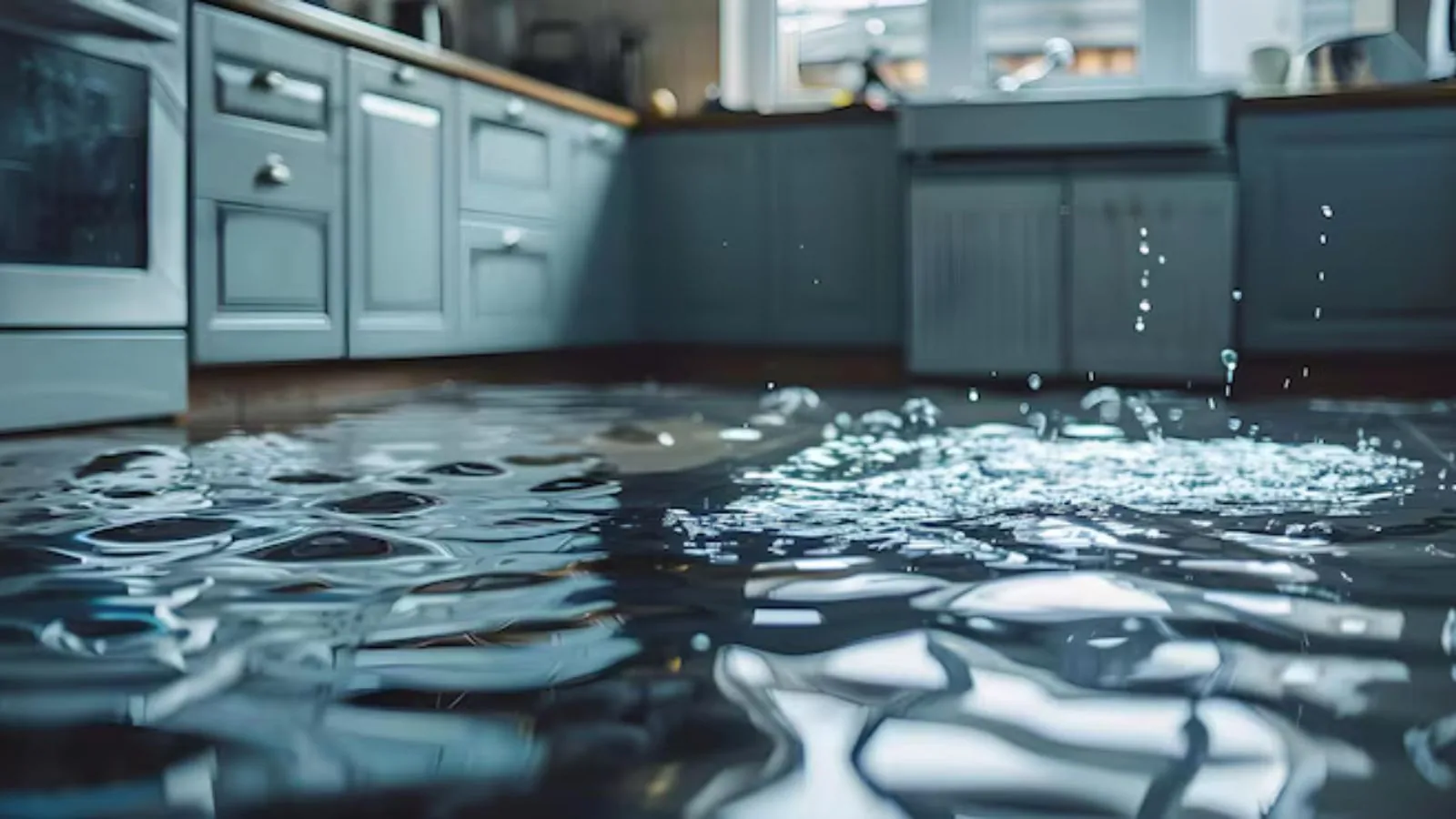
The words used after a water loss are confusing, and they are used inconsistently. Estimates and claims often mention mitigation, remediation and restoration, sometimes as if they were the same thing. They are not, and knowing the difference helps you read a scope and ask the right questions.
These definitions are common usage in the industry. A given company or insurer may use the terms a little differently, so ask what is included.
Mitigation: stop the damage from growing
Mitigation is the emergency work done to limit damage. It includes stopping the source if possible, extracting standing water, removing materials that cannot be dried and starting drying. It is time sensitive, and your policy usually expects you to do it. See water extraction and structural drying for the details.
Remediation: remove the contaminant
Remediation usually refers to removing a specific contaminant, such as mold, sewage or hazardous materials. The term is common in mold work, where it means containment, removal and cleaning of mold-affected materials. After a sewage loss, remediation means cleaning and treating the surfaces that touched contaminated water.
What to do and what not to do
- Do not disturb visible mold on a wet wall or ceiling.
- Do not mix cleaning products while handling wet materials.
- Ask before touching anything that came from sewage or flood water.
Restoration: return the property
Restoration is the broader term. It covers the whole job from mitigation through repair, and it aims to return the property to its pre-loss condition. In practice, people also use it to mean the rebuild: new drywall, flooring, paint and trim. Some companies handle all of it, and others stop at drying.
How the words line up
| Term | Focus | Typical tasks |
|---|---|---|
| Mitigation | Limit damage now | Shut off the source, extract, tear out wet materials, dry |
| Remediation | Remove contamination | Containment, cleaning, antimicrobial treatment, removal of affected materials |
| Restoration | Return to pre-loss condition | Mitigation plus repairs, replacement and finishes |
Why the difference matters on an estimate
An estimate that lists only mitigation covers the emergency work. It will not include new drywall or flooring. An estimate that says restoration may include both, and you should check which line items are drying and which are rebuild. Insurers often pay mitigation first, and rebuild comes after the drying readings show a dry structure.
Questions to ask
- Does this scope cover only drying, or also repairs?
- Who does the rebuild, and when does it start?
- Which tasks are remediation of contamination, and why?
- How will I know the structure is dry before walls are closed?
Questions about restoration vs remediation in your own house? Talk it through with the dispatcher. ☎ (833) 521-1033
Mold is its own question
If mold is present, the job may need separate containment and cleaning. The EPA mold guidance notes that the key to controlling mold is to control moisture, and that large areas of mold may call for a professional. This is why quick drying matters and why the mitigation stage is not skipped. For related symptoms, see wall and drywall water damage repair.
Where the labels come from
The terms come from industry standards and from insurance forms. The S500 standard covers water damage restoration, and a separate standard covers mold remediation. Insurers add their own words to price lists, which is why an adjuster scope may read differently from a contractor scope. When two documents describe the same job in different terms, match them task by task.
Why one job can involve all three
A burst pipe in a basement can start with mitigation, which means extraction and drying. If the water sat for days and mold grew, remediation of the mold may follow. After that, restoration puts the room back together. Each stage may have a different crew and a different price, and each should be listed in your paperwork.
Reading a scope of work
A scope of work is the document that lists each task. Read it by room. Look for the source of the water, the category, the area affected and the actions planned. If the word remediation is used, ask what is being removed and why. If the word restoration is used, ask what the finished state will be. A good scope lets you picture each step.
Who coordinates it all
On large losses, one company may manage the whole job and bring in subcontractors for plumbing, electrical or finishes. On smaller losses, you may be the coordinator, which means timing the drying, the inspection and the repairs. Ask who is responsible for each step and for the final sign-off. Clear ownership is what keeps a job from stalling between trades.
A short glossary
- Extraction: removing standing water with pumps and vacuums.
- Tear-out: removing wet materials that cannot be dried.
- Drying goal: the moisture reading that shows a material is dry.
- Pack-out: moving contents to a safe place during work.
- Reconstruction: rebuilding walls, floors and finishes after drying.
If water is already in the house, do not wait on restoration vs remediation. Call now. ☎ (833) 521-1033
Terms in Pequannock estimates
Local companies vary in how they bundle these services. Some Pequannock estimates list a mitigation visit and then a separate rebuild quote. Ask for both in writing. If you are in Riverdale or Lincoln Park and comparing bids, line up each task by name, so you can see what is repeated and what is missing.
Questions answered
Is mitigation always done first?
Yes. It stops the damage from growing and sets up the rebuild.
Can one company do everything?
Some do. Others do mitigation only and recommend a separate contractor for the rebuild.
Is remediation the same as mold removal?
In many cases people use it that way. It can also mean cleaning other contamination.
Which term should I see on a Pequannock water damage estimate?
You should see the work described by task, such as extraction, drying and tear-out, with the rebuild listed separately.