
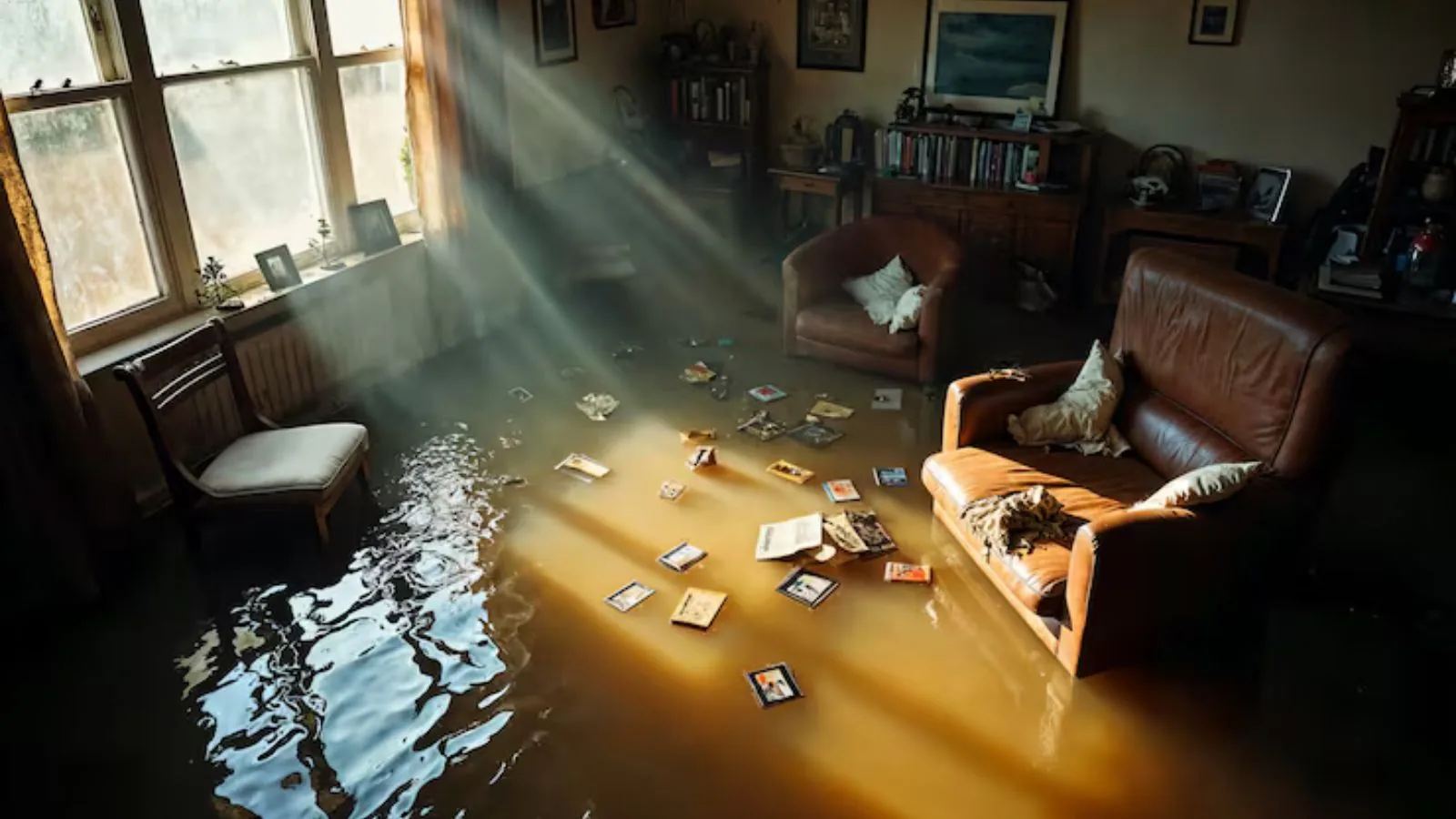
Family photos, tax records, deeds and old letters are among the most painful losses after a leak. Many can be saved if you act quickly and avoid the common mistakes. The main enemies are time, mold and rough handling.
This guide covers what to do in the first hours, how to dry different materials and when to hand things to a specialist.
First steps
- Make sure the area is safe, and that the water was clean or only lightly contaminated.
- Handle wet paper gently, supporting it from below. Wet paper tears easily.
- Move items out of standing water into a cool, dry space.
- Decide quickly what to air dry and what to freeze.
Photographs
Photographs stick to glass, frames and each other as they dry. Separate them while still wet if you can do it without tearing. Rinse gently in clean cool water to remove dirt, then lay them face up on a clean, absorbent surface such as paper towel or blotting paper. Do not use newspaper, because the ink can transfer. Do not touch the image surface.
Books and loose documents
| Item | What to do |
|---|---|
| Damp books | Stand them up with pages fanned, air dry with a fan on low |
| Soaked books | Interleave pages with absorbent paper, or freeze to stop mold |
| Loose documents | Lay flat on a clean surface, or hang on a line with plastic clips |
| Coated glossy paper | Separate pages quickly, since they stick together as they dry |
| Ink that runs | Photograph before drying, do not rub |
Freezing buys time
If you cannot dry items within a day or two, put them in the freezer in zip bags with wax paper between them. Freezing stops mold and gives you time to find help. It is a standard approach in libraries and archives, and many conservators will work from frozen items. Do not freeze items that are only slightly damp, which can be air dried.
Mold and time
Mold can start on wet paper in a day or two. The EPA advises drying water-damaged materials quickly, and the same logic applies to paper. If you see mold, wear gloves and a mask, and move the item to an outdoor space or plastic bag. Valuable items with mold are a job for a specialist.
Questions about photos and documents in your own house? Talk it through with the dispatcher. ☎ (833) 521-1033
Important records
- Passports, birth certificates and deeds can be replaced, but the process takes time, so dry the originals as well as you can.
- Scan or photograph dried documents so you have a digital copy.
- Keep a list of what was damaged for your insurer.
- Ask your insurer whether it covers conservation work on irreplaceable items.
When to call a conservator
Old photographs, rare books, artwork and anything with sentimental or monetary value should go to a professional document restorer or a conservator. Some restoration companies work with them, and a contents pack-out can protect items while the building dries. The structural side, such as extracting water and drying the walls, is handled as in structural drying and dehumidification.
Digital backups going forward
Once you have dried what you can, scan or photograph it. A phone camera is enough for most papers. Store copies in two places, such as a cloud service and an external drive kept in a different part of the house or with a relative. Keep copies of key records, such as insurance policies and deeds, in a place that does not share the same flood risk as your basement.
Storage that holds up better
- Use sealed plastic bins with lids, and keep them off the floor on shelves.
- Avoid cardboard boxes in basements.
- Put silica gel packs in boxes of photographs and papers.
- Use a fireproof and water-resistant box for the most important records.
A realistic expectation
Some damage will remain. Water stains, ink bleeding and warped paper may not reverse. The goal is to save the content and stop further harm. Scanning dried pages gives you a copy that can last. For items that are highly valuable, accept that a conservator may be the only way to get a good result, and ask your insurer whether they cover the cost.
What to ask a conservator
Conservators are trained to treat paper and photographs, and many work with libraries and archives. Ask what methods they use, what the likely outcome is, how long it will take and what it costs. Ask whether they work from frozen items and how they handle mold. Request an estimate in writing, and check whether your insurer covers the work before you commit.
If water is already in the house, do not wait on photos and documents. Call now. ☎ (833) 521-1033
Stored papers in Pequannock basements
Many families keep old photos and records in basement boxes, which are the first things to get wet in a flood or burst pipe. If a basement in Lincoln Park or Pompton Plains takes on water, lift boxes off the floor first and photograph them. See basement water damage cleanup for the process on the structure side.
Questions answered
Can I use a hair dryer on wet photos?
No. Heat can curl and crack them. Air drying is gentler.
Should I use bleach or sanitizer on documents?
No. It can damage the paper and ink. Dry them and consult a specialist for valuable items.
How long can wet paper wait before it molds?
Often a day or two in warm, damp conditions. Freezing stops the clock.
Where can Pequannock residents find a document conservator?
Ask your insurer or a local library or historical society for referrals. Regional conservation centers list members by state.