
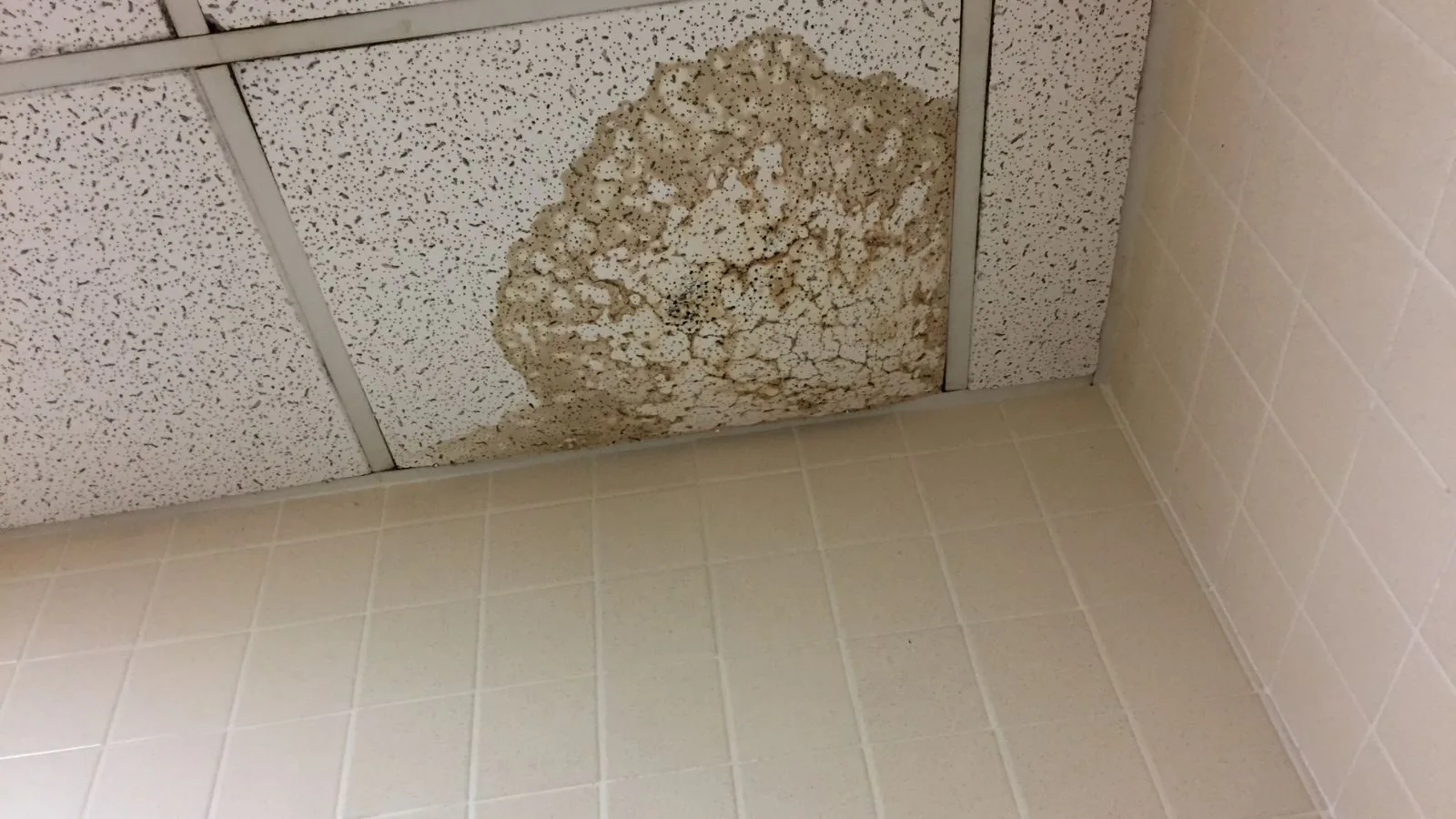
Most water damage is not a flood. It is a slow drip behind a wall, a failed seal around a tub or a condensate line that has clogged. By the time the problem is obvious, materials have been wet for days or weeks. Learning the early signs lets you catch it while the repair is still small.
This guide walks through what to look for, what it usually means and when to call a professional for moisture readings.
Signs you can see
| Sign | What it can mean |
|---|---|
| Brown or yellow ring on a ceiling | A leak above, from a roof, pipe or air handler |
| Bubbled or peeling paint | Moisture behind the paint, often from a wall leak |
| Warped, cupped or lifted flooring | Water under the floor or a long damp period |
| Swollen baseboards or trim | Water wicking from the floor or wall base |
| Dark spots on drywall | Mold growth or long-term dampness |
| Rust on pipes or stains near fixtures | A slow supply or drain leak |
Signs you can smell or hear
A musty, earthy odor in a closet, a basement or a wall cavity usually means damp materials. Do not dismiss it because you cannot see anything. The sound of running water when nothing is on points to a leak in a supply line, and a drip in a wall at night is easier to hear when the house is quiet.
Signs in the numbers
A water bill that jumps without a change in use is a good early warning. Turn off all water and check the meter. If it still moves, water is leaking somewhere between the meter and the fixtures, and a plumber can locate it. A running toilet can waste a lot of water without any stain at all.
Signs by room
Kitchen
Soft cabinet floors, a swollen toe kick, warm or damp flooring near the dishwasher.
Bathroom
Loose tile, soft drywall near the tub, stains on the ceiling below.
Basement
White mineral deposits on walls, damp odor, wet carpet or dark baseboards.
Utility room
Rust at the base of the water heater, drips from fittings, a damp floor.
Use a simple test
Press gently on a stained or discolored area of drywall. A firm surface is a good sign, and a soft or crumbly one means water has weakened it. Do not use a knife or a nail on a ceiling that looks swollen, because it may release water. A moisture meter gives the real answer, and a pro will use one along with a thermal camera to trace the wet area.
Questions about signs of water damage in your own house? Talk it through with the dispatcher. ☎ (833) 521-1033
What to do when you find a sign
- Find and stop the source if you can, starting with the shut-off valve.
- Photograph the sign and the area around it.
- Dry small, clean-water wet spots right away with towels and airflow.
- Call for moisture readings if the area is larger than a dinner plate or has been wet more than a day.
When a stain is old
A dry stain with a sharp brown edge may be from a leak that was fixed long ago. A new leak looks damp and can have a soft center. If you are unsure, track the stain with a pencil line and a date. If it grows, the source is active. For more on how to tell age, a call to a professional with a meter is quicker than guessing.
A ten-minute walk-through you can do each season
- Check under every sink with a flashlight and a dry paper towel.
- Look at the ceilings under bathrooms and the laundry room.
- Press on baseboards in the basement for softness.
- Check the base of the water heater and the washing machine hoses.
- Walk the outside and see where downspouts empty.
- Look at attic insulation after a hard rain, if you can reach it safely.
Why early signs matter
A small leak caught early may need a fitting and a towel. The same leak left for a month can mean new drywall, flooring and mold cleanup. The cost difference is large, which is why a short seasonal check is worth the time. Record what you see with dated photos, since they help if you later need to show when damage started.
A note on humidity
Indoor humidity above about 60 percent for a long period can cause condensation on windows and cold walls, and it feeds mold. An inexpensive hygrometer shows the number. If it stays high, look for a moisture source, such as a leak, a wet crawl space or a lack of ventilation, before you buy a bigger dehumidifier.
If water is already in the house, do not wait on signs of water damage. Call now. ☎ (833) 521-1033
A note on standards
Professional moisture mapping after any of these signs follows the ANSI/IICRC S500 standard.
Seasonal signs in Pequannock
Cold snaps in New Jersey can split supply lines in exterior walls, which often shows up as a stain days after the thaw. See frozen pipe water damage for what to do. Spring rains can bring damp basements in low spots, covered in basement water damage cleanup. Homeowners in Riverdale and Lincoln Park near the rivers should check lower levels after long rain.
Questions answered
Can I tell by the stain if a leak is still active?
A damp, soft or spreading stain suggests an active leak. A dry stain with a sharp edge may be old. A moisture meter settles it.
Is mold always a sign of water damage?
Mold needs moisture, so it points to a damp source. Find and fix the source first.
Should I open the wall to look?
Not without a moisture reading. A pro can often find the wet area with a meter and a small opening.
Is a musty basement smell normal in Pequannock?
A faint damp smell is common after heavy rain, but a strong or lasting odor means moisture is present. Check for wet carpet, stains on lower walls and a working sump pump.