
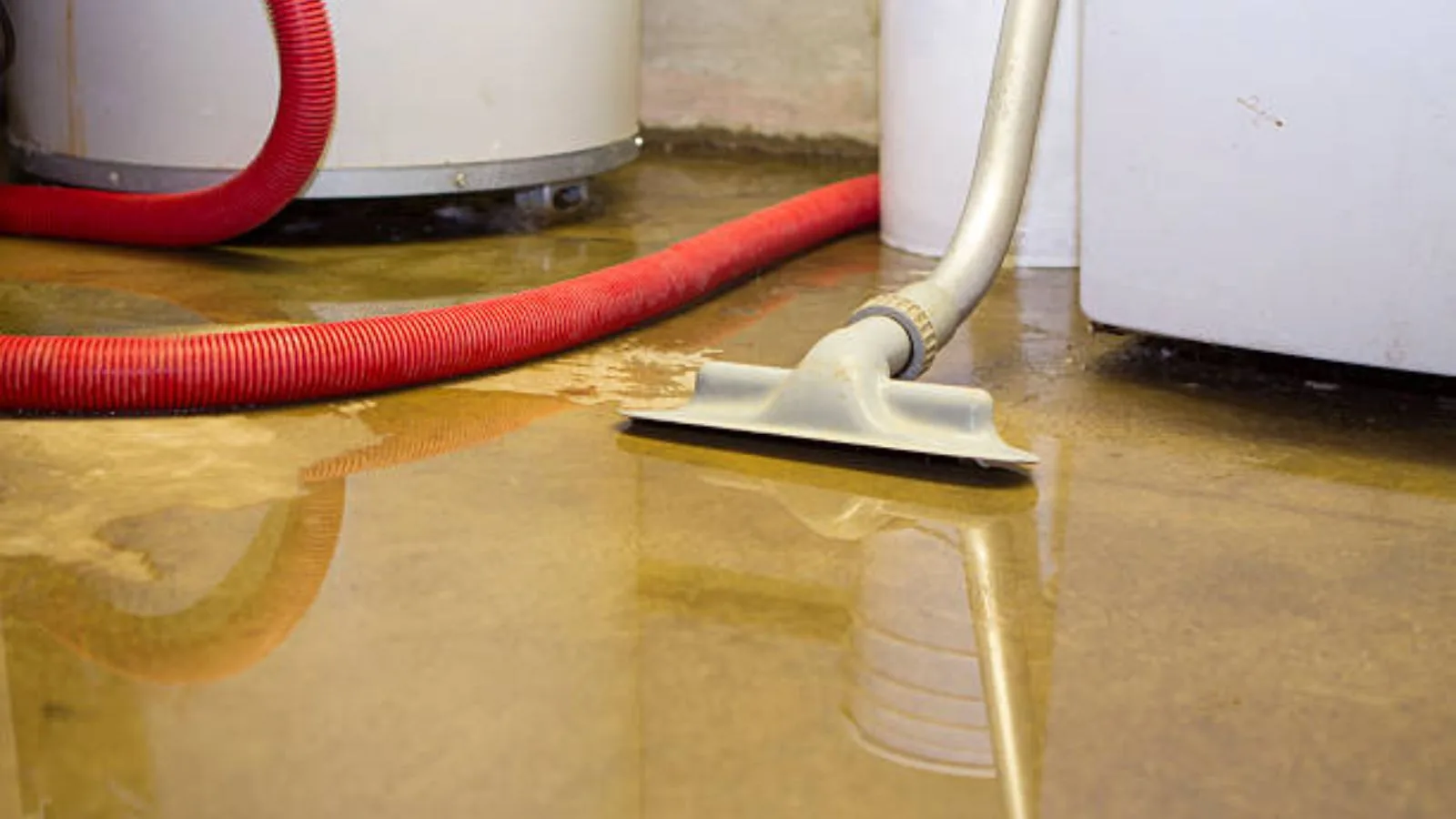
When a restoration crew arrives, one of the first things they decide is the water category. It tells them what can be dried in place and what has to be removed, and it sets the safety gear. The categories come from the ANSI/IICRC S500 standard, which is the industry reference for professional water damage restoration.
You do not need to memorize the standard. Knowing the three categories helps you understand an estimate and ask better questions.
The three categories
| Category | Name | Typical source | Usual approach |
|---|---|---|---|
| 1 | Clean water | Supply line, sink overflow, rain from a clean source | Extract and dry, often in place |
| 2 | Gray water | Dishwasher, washing machine, toilet overflow with no feces | Extract, remove porous materials as needed |
| 3 | Black water | Sewage, river flood water, standing water for long periods | Contain, remove porous materials, clean and dry |
Categories follow the ANSI/IICRC S500 standard.
Category 1: clean water
Category 1 water starts from a sanitary source. A burst supply line and an overflowing sink fit here. It is the easiest to handle, and carpet, pad and drywall can often be dried in place when the response is fast. Clean water does not stay clean. After a day or two, bacteria grow in damp materials and the category can worsen.
What to do and what not to do
- Keep children and pets out of any water that may be gray or black.
- Wear gloves and boots if you must go in.
- Do not run the HVAC system through contaminated areas.
Category 2: gray water
Category 2 water has some contamination that could make people sick. Washing machine and dishwasher discharge are typical. Porous materials that soaked up gray water are often removed, and hard surfaces are cleaned. Time matters here too, because gray water can become Category 3 if it sits.
Category 3: black water
Category 3 water is grossly contaminated. Sewage backups and flood water from rivers and streams fit here. It carries bacteria and can carry chemicals and silt. Porous materials such as carpet, pad, insulation and low drywall are removed and discarded. See sewage backup cleanup and flood damage cleanup for how it is handled.
Classes of water damage
Class describes how fast water will evaporate, based on how much of the structure is wet and how porous the materials are. Class 1 is the smallest affected area with low-porosity materials. Class 4 covers deep saturation in dense materials such as hardwood, plaster and concrete, which need specialty drying.
Questions about water categories in your own house? Talk it through with the dispatcher. ☎ (833) 521-1033
Why time changes the category
- Warm, damp conditions let bacteria multiply.
- Materials that stay wet start to break down.
- Standing water picks up contamination from the surfaces it touches.
- A clean-water loss left alone for several days may be treated as Category 2 or 3.
What the category means for the bill
A Category 1 loss usually costs less because more materials can be dried and kept. A Category 3 loss involves removal, disposal, cleaning and sometimes containment. Ask for a scope that shows which materials are removed and why. Scope and price should be explained before work starts.
How a crew decides on site
A restoration technician asks where the water came from, how long it has been there and what it has touched. They look at the water, the smell and the surfaces, and they test moisture in materials. In some cases, a sample is sent to a lab. The category is a working decision that can change if conditions change, and it is recorded in the job file.
Ask for the category in writing. It explains why one material is removed and another is dried, and it is useful if your insurer asks about the scope.
Examples that cause confusion
| Situation | Category | Why |
|---|---|---|
| Pipe splits and floods a clean kitchen floor | 1 | Clean source, fast response |
| The same pipe, found after three days | 2 or 3 | Time and growth change the category |
| Washing machine hose bursts | 2 | Used water from an appliance |
| Toilet overflow with solids | 3 | Contamination from a sewage source |
| Creek overflows into a basement | 3 | Ground contact and runoff |
What the category means for your family
For categories 2 and 3, keep children, older adults and pets away from the affected area. Wash hands after any contact, and wear gloves and boots if you must go in. Do not eat or drink in the area. Do not run the HVAC system if it may spread contaminated air or dust through the house. The restoration crew will advise on this once they see the loss.
For Category 1, basic care is enough, but the clock still runs. Treat a clean-water loss as urgent, since materials that stay wet turn it into a bigger problem.
A few related terms
- Porous materials absorb water, such as carpet, drywall and insulation.
- Semi-porous materials absorb some water, such as wood and concrete.
- Non-porous materials do not absorb water, such as glass, tile and metal.
- The more porous the material, the more likely it is removed after contamination.
If water is already in the house, do not wait on water categories. Call now. ☎ (833) 521-1033
Categories in Pequannock losses
Most household pipe failures in Pequannock start as Category 1, and the quick response is what keeps them there. River overflow near Pompton Lakes and low-lying parts of Lincoln Park are Category 3 from the start. For standing water on a floor, the first step is water extraction.
Questions answered
Who decides the category?
The restoration crew assesses it on site from the source, how long water sat and what it touched.
Can I tell the category by looking?
Not reliably. Clear water can still be contaminated. When in doubt, treat it as contaminated.
Does the category affect insurance?
It can affect the scope of work, so keep the report and photos.
What category is water from a flooded Pequannock basement?
If it came from river or surface flooding, it is Category 3. If it came from a supply line, it starts as Category 1 and can worsen with time.